



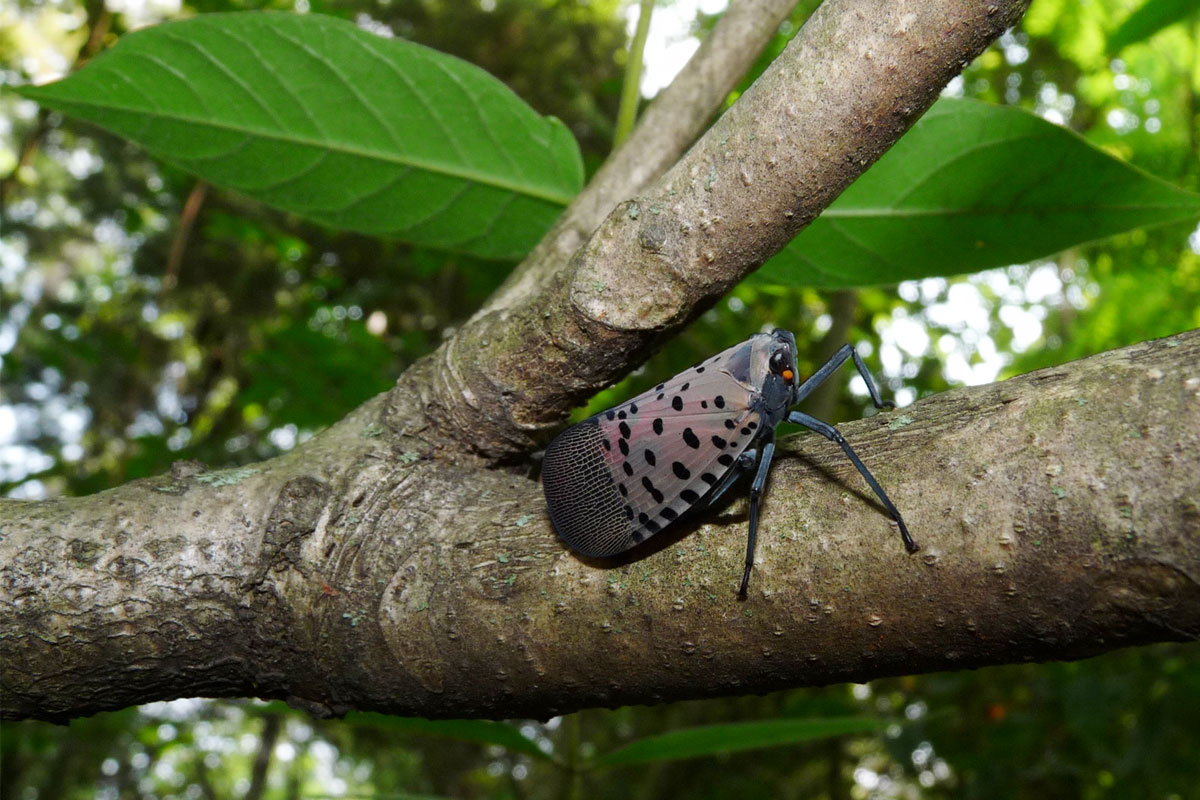
There is absolutely something to be said for living by one of Indianapolis’s beautiful parks, like Eagle Creek Park or Garfield Park (fresh air, nature views, outdoor recreation). But for many homeowners with the privilege of owning homes in these prized geographical spaces, there is a rather dark and unwanted reality: a broader spectrum of insects in their homes.
The greenery, surface-water features, and varied ecological communities that make Indianapolis parks so attractive also make them absolute magnets for pests. On the other hand, for properties right next to parks, mosquitoes breed close to the canal systems; ants march in from wooded features into neighboring homes, issues that suburban neighborhoods generally do not have to deal with.
Despite all the homemade measures that work, there are situations where the pest problem will persist, and calling a pest control specialist remains the only option. You can do so by searching pest company near me.
Common Reasons Why Homes Near Parks In Indianapolis Attract More Pests
Natural Water Sources Create Breeding Havens
Many parks in Indianapolis have some aspect of water; the White River, for example, runs through many downtown parks, and retention ponds exist in some suburban green spaces. Standing water attracts mosquitoes, which may lay up to 300 eggs at once in still water. Indiana averages 42 inches of rain a year, and the water filling shallow puddles that result can be enough to support large populations of the insects that can rapidly migrate to places where people live.
Dense Vegetation Provides Shelter and Food
Crown Hill Cemetery and Brookside Park are home to numerous mature trees and tangled undergrowth that provide excellent homes for females of a range of insect species. From the park they follow the scent trail to nearby homes where they feast on aphids sucking on park vegetation.
Wildlife Activity Increases Pest Populations
Pests are attracted to areas with wildlife, and with the many species that live in Indianapolis parks, there are bound to be pests as well. Flies are attracted to bird poop, and small mammals–raccoons, rats, mice, and squirrels in particular can bring fleas and ticks into your neighborhood because more than 200 bird species are resident in the city’s parks, which send a never-ending shipment of the pests to surrounding communities.
Reduced Chemical Treatment in Natural Areas
Parks also rarely apply pesticides more extensively than plants in residentially maintained landscapes because it is critical to protect native ecosystems. Though sustainable farming is excellent, this practice results in larger insect populations that will always overflow the bounds of the farm into neighboring home lots during seasons of mass reproduction.
What To Do If You Live Near Parks?
Create Physical Barriers
Seal all the cracks around the exterior of the house and install fine mesh screens on doors and windows. Pay particular care if utility lines are coming into your home, as insects can get in by following them to the regular park areas nearby.
Partner with Professional Pest Services
The pest pressure managed by Indianapolis parks often needs knowledge that exceeds the average homeowner. Central Indiana has specific insect behavior patterns and seasonal cycles based on the climate that only professionals know. With plenty of experience from treating park-related pest challenges for other nearby homeowners, companies like Pointe Pest Control are equipped with the knowledge you need to create a targeted treatment plan perfect for your property, capable of solving any current infestation problem while also addressing your continued prevention needs.
Regular Property Inspections
Make it a habit to walk around your property once a month so that you can identify early signs of pest activity. Examine for trails of ants, nests of wasps underneath the eaves, or indicators of wood being chewed. It might be home to a bunch of termites. When discovered early, more treatment options are available, the treatment is often easier, and it is less costly.