






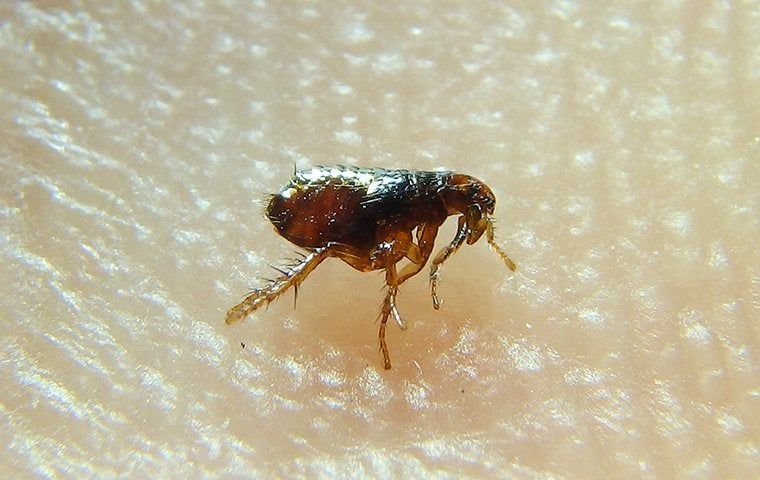
Fleas can cause serious problems once they have made their way into your yard. The warm and humid weather in Little Elm allows fleas to thrive. Many people associate fleas with pets, but these pests can easily live in grass, shrubs, and shady areas. Homeowners can prevent a full-blown infestation if they know how to spot signs of fleas in their yard. They can call Romney Pest Control as needed at romneypestcontrol.com.
Fleas are attracted to warm, moist, and shady environments. This makes many yards in Little Elm the perfect hiding spots. Areas with thick grass, piles of leaves, or shaded spots under trees are their favorite places to hide. Fleas can jump onto your shoes, pant legs, or any passing animal to hitch a ride. They reproduce quickly after they get established in your yard. A single female flea can lay dozens of eggs a day. These eggs fall into the soil or grass and hatch into larvae, starting the next generation. Without treatment, a minor flea issue can grow into a serious outdoor problem in no time.
Signs You May Have Fleas in Your Yard
Fleas may have taken over your indoor or outdoor space if you notice the following signs:
- Your pets are constantly scratching. If your dog or cat scratches nonstop or bites at their fur, fleas could be the reason. Check your pet’s skin for tiny black dots or fast-moving insects. Indoor pets can also get fleas if you or another pet brings them inside from the yard.
- You get bites on your legs and ankles. Flea bites are usually red and itchy. They often appear in clusters around the lower legs, ankles, or waistline.
- Seeing fleas jumping. Fleas may leap when disturbed. Try wearing white socks or pants outside. Fleas are easier to spot against a light background.
- Strange activity in wildlife or strays. Fleas often enter yards on wild animals or stray pets. Raccoons, opossums, or stray cats hanging around your property could be carrying fleas. Fleas drop off their hosts into the grass, where they can continue their life cycle and wait for their next victim.
- Shady, damp spots look like trouble areas. Certain parts of the yard are more flea-friendly than others. Areas under porches, around trees, or near sheds are ideal flea habitats. If your pets like to rest in those spots, they may be the source of the problem.
How to Confirm a Flea Problem
If you suspect fleas in your yard, you can do a white sock test. Put on tall white socks and walk slowly through your yard, especially in areas where your pets like to play or rest. After a few minutes, check the socks for small black or brown dots. You have found the problem if you see fleas jumping or clinging to the fabric.
Another option is to place a shallow dish of soapy water in the suspected area overnight, with a small light shining above it. Fleas are attracted to warmth and light. In the morning, check to see if any fleas have jumped into the water and drowned.
What to Do If Fleas Are Found
Treating fleas in your yard takes more than just spraying a product and hoping for the best. You need a full plan to get rid of both adult fleas and their eggs and larvae. Keep your lawn mowed and remove leaf litter or debris where fleas might hide. Wash your pet’s bedding regularly. Also, make sure they are on vet-recommended flea prevention.
For stubborn infestations, professional help is the best option. Romney Pest Control offers targeted flea treatments for yards in Little Elm. Their technicians know where fleas hide and how to break the flea life cycle for long-term relief.