






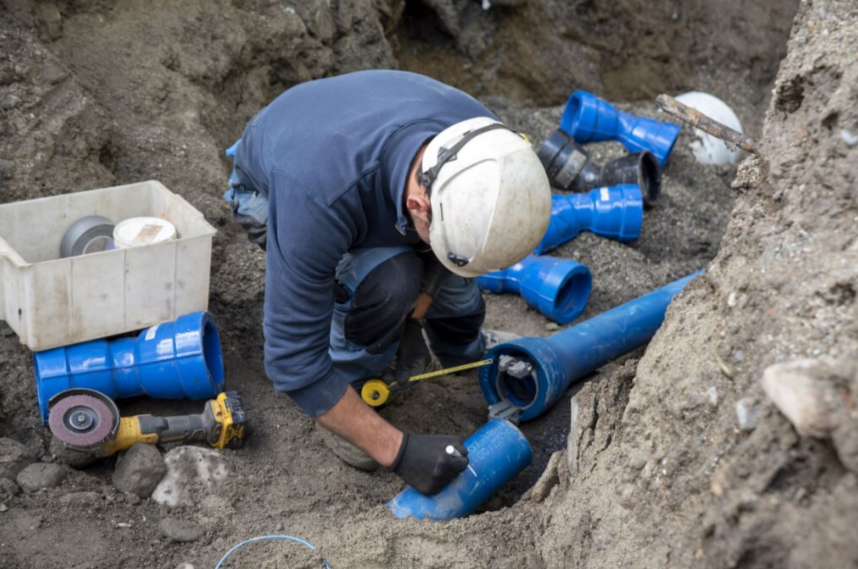
Drain stoppages are a frequent household problem that can lead to slow drainage, unpleasant smells, and even water damage. Understanding the common causes of Drain Stoppages blockages and how to fix them is essential to maintaining a healthy plumbing system. Addressing issues early can save time, money, and prevent further damage.
Grease and Food Buildup
One of the most common causes of drain stoppages, especially in kitchen sinks, is grease and food buildup. When grease is poured down the drain, it cools and solidifies, sticking to the pipes and trapping food particles. Over time, this buildup narrows the pipe and eventually causes blockages.
To fix grease clogs, start by pouring boiling water down the drain to melt and flush away small amounts of grease. For tougher blockages, a mixture of baking soda and vinegar can help break down grease deposits. If the clog persists, using a drain snake or calling a professional plumber may be necessary.
Hair and Soap Scum
Bathroom drains are often clogged by hair and soap scum. Hair binds with soap residue to form dense clumps that restrict water flow. These clogs frequently occur in shower and bathtub drains.
Removing hair manually from drain covers or traps is a simple fix. Using a drain snake designed for hair removal can also be effective. Preventative measures include installing drain guards and regularly cleaning them to catch hair before it enters the pipes.
Foreign Objects
Sometimes, objects accidentally flushed down toilets or sinks cause stoppages. Items like sanitary products, wipes, cotton swabs, and toys are common culprits. These objects can get stuck and block water flow completely.
If a foreign object causes a clog, avoid flushing repeatedly, as this can worsen the blockage. A plunger or plumber’s snake may dislodge the item. In severe cases, professional intervention is required to safely remove the obstruction without damaging pipes.
Tree Root Intrusion
Tree roots seeking moisture can invade underground sewer lines, causing severe blockages and pipe damage. Roots enter through small cracks or joints and grow inside pipes, restricting or completely blocking flow.
Fixing root intrusion often involves hydro jetting, a high-pressure water cleaning method that clears roots from pipes. In some cases, damaged sections of pipe may need to be repaired or replaced to prevent recurring problems. Regular sewer line inspections help detect root issues early.
Mineral Buildup
In areas with hard water, mineral deposits can accumulate inside pipes over time. These deposits reduce pipe diameter, limiting water flow and causing slow drainage.
Flushing drains with vinegar or specialized descaling agents can dissolve some mineral buildup. However, persistent problems may require professional cleaning using hydro jetting or pipe replacement if corrosion occurs.
Damaged or Collapsed Pipes
Pipes can become damaged due to age, ground movement, or corrosion. Cracks, breaks, or collapses in pipes create blockages and leaks, leading to drain stoppages and water damage.
Identifying damaged pipes often requires a video camera inspection by a plumber. Repairs may involve patching small cracks or replacing sections of pipe. Prompt attention prevents worsening damage and costly repairs.
How to Prevent Drain Stoppages
Prevention is the best way to avoid drain stoppages. Follow these tips to keep drains clear:
- Avoid pouring grease, oil, or coffee grounds down kitchen sinks
- Use drain guards to catch hair and debris in bathrooms
- Dispose of wipes, sanitary products, and non-flushable items in the trash
- Schedule regular professional drain inspections and cleanings
- Flush drains with hot water or enzymatic cleaners periodically
These simple habits reduce buildup and extend the life of your plumbing system.
Conclusion
Drain stoppages have several common causes, from grease buildup and hair clogs to tree roots and damaged pipes. Understanding these causes and how to fix them can help maintain efficient drainage and prevent costly plumbing issues. While many minor clogs can be addressed with DIY methods, persistent or severe blockages often require professional plumbing assistance. Regular maintenance and preventive measures keep your drains flowing freely and protect your home’s plumbing system.