






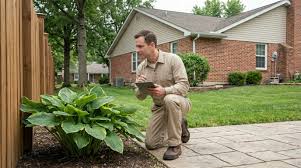
St. Louis is the perfect storm zone for pests. From the humid subtropical climate to closeness to the Mississippi and Missouri rivers, every factor is responsible for local infestations across neighborhoods. In Soulard, The Hill, and Benton, there are older brick buildings that are prone to pest problems, while landscaping in Chesterfield, Wildwood, and Kirkwood creates risks for suburban homes.
Effective pest control in St. Louis is all about using a local service like Pointepestcontrol.com for ongoing support. The Pointe team offers one-time treatments for sudden pest problems, but what you can also expect are preventive services. Below is an overview of ongoing control means for your home.
St. Louis Weather and Pest Cycles
Spring, which is between March and May, is the time when subterranean termites start showing up. Missouri cities are at a higher risk of termites, which is why early spring inspections matter to spot signs. Frequent rainfall in spring often means more ants and Centipedes. July and August are when humidity is at its peak, which accelerates the growth of flies and mosquitoes. From September onwards, you can expect to see house mice and Brown Recluse spiders that enter homes for shelter. Older limestone foundations in Tower Grove and University City often have more access points, which makes it easier for rodents.
DIY and One-Time Treatments Don’t Work Here
It is critical to understand that pest cycles in St. Louis are recurring, which means most DIY hacks fail to offer relief. People usually check online shopping sites and buy regular sprays, but these only help with visible ants or insects. DIY also has other risks. For instance, it is easy to confuse termites with other insects, and many infestations get worse because of wrong products or inaccurate pest identification. Even one-time treatments aren’t as effective, primarily because the results last for only a few weeks. As the weather changes, pests will continue to resurface.
How Does Ongoing Services Work?
- Many companies in St. Louis offer a preventive plan, which includes the following:
- Winter inspections include checking for nesting rodents and insects.
- Spring service, which includes exterior treatments and termite monitoring
- Summer months are all about removing wasp and hornet nests, along with foliage treatments for mosquitoes
- Fall inspections include perimeter treatments for spiders and stink bugs
Preventive measures are all about ensuring infestations don’t happen rather than reacting to pest sightings. Given that many St. Louis neighborhoods have a moisture problem, focusing on the environment that allows pests to thrive helps reduce risks. The best part is that you will only pay once for the yearly plan. Yes, the upfront cost can seem high, but if considering the cost of fixing recurring infestations, the amount is considerably lower and worth paying.
Your Efforts Also Matter
- Just relying on pest control experts isn’t enough. What matters as much is how to make an effort to ensure the results last. Here are some steps you can consider:
- Don’t delay calling exterminators if you find new pest signs
- Ensure garbage cans are always covered
- Clean spills and crumbs in the pantry immediately
- Inspect your property in spring, especially after rain, to find and drain standing water
- Check whether you are leaving pet food within easy access
- Make sure your yard is clean with no excess vegetation
Ongoing pest control in St. Louis is all about proactive measures. As long as you follow good habits and get your property inspected for early signs and seasonal trends, it is unlikely that you will come across an extreme infestation. Don’t choose a company that’s offering a standard price. Technicians should check your property before suggesting what ongoing pest control should cost.